联系电话 +86-512-36622455


最新公告:
Aluminum hypophosphite is a halogen-free flame retardant with a high phosphorus content, abbreviated as AHP. It can be compounded with MCA, MHB, MPP, aluminum hydroxide, and chloroquine to achieve synergistic flame retardant effects. It features a high decomposition temperature, is halogen-free, produces low smoke, has good dispersibility, is non-hydrolyzed, does not easily precipitate, and has excellent processing properties. Aluminum hypophosphite has wide applications in PP, TPU, TPE, PBT, coatings, and other materials.
I. Basic Information
English Name: Aluminum hypophosphite
Chemical Formula: Al(H2PO2)3
CAS NO.: 7784-22-7
HS NO.: 28351000
Molecular Weight: 221.96
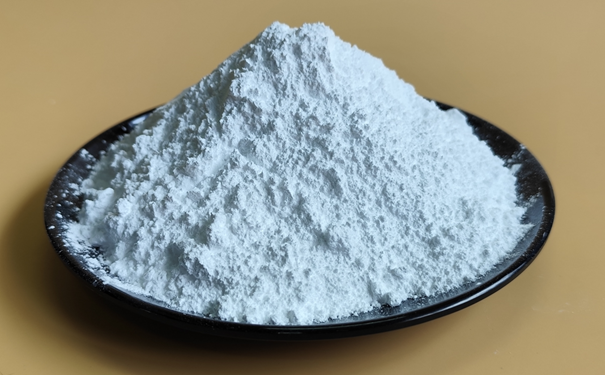
Appearance: White powder, slightly soluble in water
II. Product Specifications
Content % ≥ 98.0
P% ≥ 40.0
Cl% ≤ 0.005
Moisture % ≤ 0.5
PH: 3-5
TG 1% Decomposition Temperature ≥ 300℃
III. Flame Retardant Mechanism
1. At high temperatures, aluminum hypophosphite decomposes and releases PH3 and PO2 free radicals. These gaseous products effectively capture and consume highly reactive free radicals such as H· and OH· necessary for combustion, converting them into stable small molecules, thereby reducing flame energy and fundamentally inhibiting the continuation of combustion.
2. The acidic substances such as phosphoric acid and polyphosphic acid produced by the thermal decomposition of aluminum hypophosphite can catalyze the rapid dehydration and carbonization of polymers, forming a dense and stable char layer. These flame-retardant solid products, such as aluminum pyrophosphate, coat the material surface, forming a physical barrier. A high-quality, dense char layer effectively isolates oxygen and heat, prevents the escape of internal combustible gases, and inhibits dripping.
IV. Formulation Examples
1. PBT / Glass Fiber Reinforced PBT (V-0, 1.6 mm)
PBT: 75–80
AHP: 15–18
MCA: 5–7 (AHP:MCA≈3:1)
KH-550: 0.5–1.0
Antioxidant 1010: 0.3–0.5
Zinc Stearate: 0.2–0.5
Effect: LOI≈30%, UL94 V-0 (1.6 mm), no dripping.
2. PP (V-2 grade, low addition)
PP: 98–99%
Aluminum hypophosphite: 0.5–1.0%
MHB: 0.5–1.0%
Polydimethyl ether: 0.5–1.0%
Effect: UL94 V-2, low smoke, low cost.
V. Storage and Packaging
25KG/bag, store in a cool, dry warehouse, avoid storage with alkaline or strong oxidizing chemicals. Avoid high temperatures and violent impacts, otherwise it may easily ignite.
The flame-retardant properties of aluminum hypophosphite stem from its efficient gas-phase and condensed-phase synergistic flame-retardant mechanism, enabling various materials to achieve a V-0 rating in combustion tests, with a small addition amount and controllable cost. It is a halogen-free, environmentally friendly flame retardant, in line with current environmental trends. It is halogen-free, non-toxic, low-smoke, and does not produce dioxins or other harmful substances. Its decomposition temperature is typically above 280℃, sufficient for processing most thermoplastic plastics, and it is not prone to premature decomposition. The main production process is the metathesis precipitation method, using sodium hypophosphite and aluminum sulfate. The process is mature, low-cost, and easy to control.