联系电话 +86-512-36622455


最新公告:
Phosphorous acid is produced from PCl3 and H3PO3, which are dicarboxylic acids, slightly stronger than phosphoric acid. It has strong reducing properties and readily reduces metal ions, making it suitable for producing potassium phosphite, aluminum phosphite, and other organophosphorus compounds. Phosphorous acid is widely used abroad in plant disease and pest control and plant nutrition. Its salts, when used as fungicides, are highly effective in inhibiting oomycete pathogens affecting Solanum, Brassica, and other leafy vegetables.
I. Basic Information
English Name: Phosphorous acid
CAS Number: 13598-36-2
Molecular Formula: H3PO3
Molecular Weight: 82
Density: 1.65 g/cm3
UN Number: 2834
EC NO: 237-066-7
Hazard Code: 81502
Hazard Class: 8
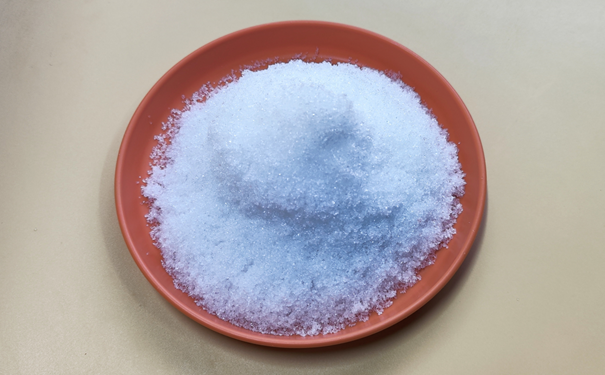
Appearance: White crystals
Melting Point: 73.6℃
Boiling Point: 200℃ (decomposes)
Solubility: Easily soluble in water and alcohol; highly hygroscopic.
Density: 1.65 g/cm³
Hazardous Characteristics: Corrosive; decomposes upon heating to produce the particularly harmful gas H3P.
II. Product Specifications
Phosphorous acid≥99.0%
PO4≤0.1%
Cl≤0.005%
SO4≤0.0001%
Pb≤0.0002%
Fe≤0.001%
III. Mechanism of Action
The +3 valent phosphorus in phosphorous acid can be transported through both the xylem and phloem of crops, accelerating nutrient absorption and utilization. Regarding disease resistance, it is believed that +3 valent phosphorus can induce crops to produce resistance toxins and pathogenesis-related proteins (PR proteins), possibly relying on salicylic acid (SA) to activate defense mechanisms, enabling crops to develop sustained immunity against pathogens.
IV. Product Characteristics
1. Phosphorous acid is highly hygroscopic.
2. It has strong deliquescent properties.
3. It has a certain degree of corrosiveness.
4. It has bactericidal effects. Phosphorites have been proven to increase crop yield and improve disease resistance.
V. Production Process
The main production process for high-grade products in China is the PCl3 hydrolysis method. The specific process is as follows: Hydrolysis method: PCl3 is slowly hydrolyzed by adding water dropwise under stirring to produce phosphorous acid. After purification, cooling crystallization, and decolorization, the finished phosphorous acid product is obtained. Its reaction is PCl3 + 3H2O → H3PO3 + 3HCl. Hydrogen chloride generated during the production process is recovered and reused to produce hydrochloric acid.
VI. Contact and Storage Measures
1. Wear protective gloves/protective clothing/protective goggles/protective mask.
2. Thoroughly wash skin after handling.
3. Store only in the original container. Do not inhale dust or fumes.
4. Do not eat, drink, or smoke while using this product.
Phosphorous acid may corrode metals. Avoid direct skin contact, as it can irritate the skin. Especially avoid contact with eyes, as it can cause serious eye damage. It is used as a reducing agent in chemical reactions, and the actual reaction is relatively mild and highly controllable. Phosphorous acid is used as a raw material for the production of potassium phosphite, aluminum phosphite, potassium dihydrogen phosphite, and calcium hydrogen phosphite. It is also used in synthetic fibers, pesticide industries, etc.